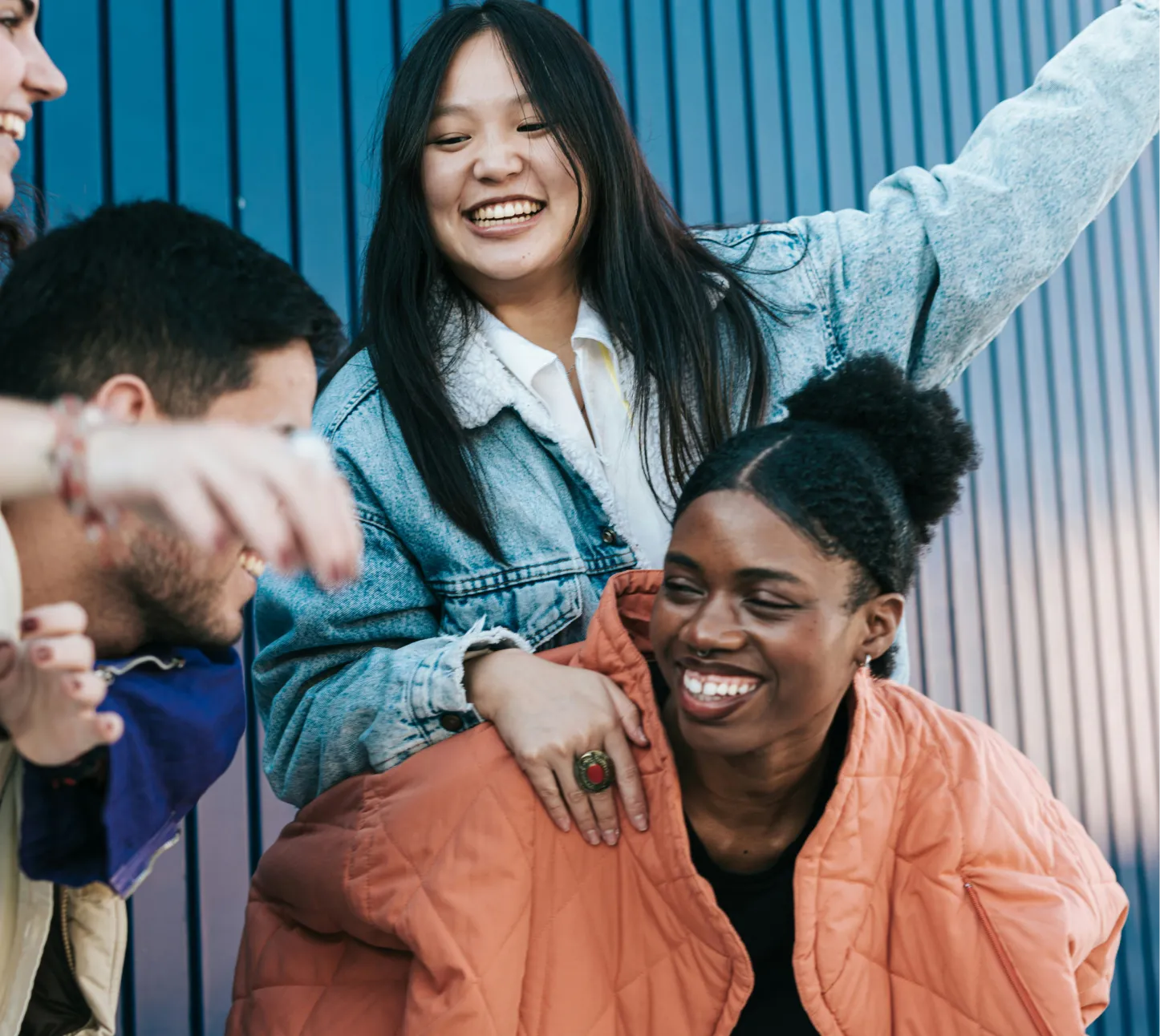
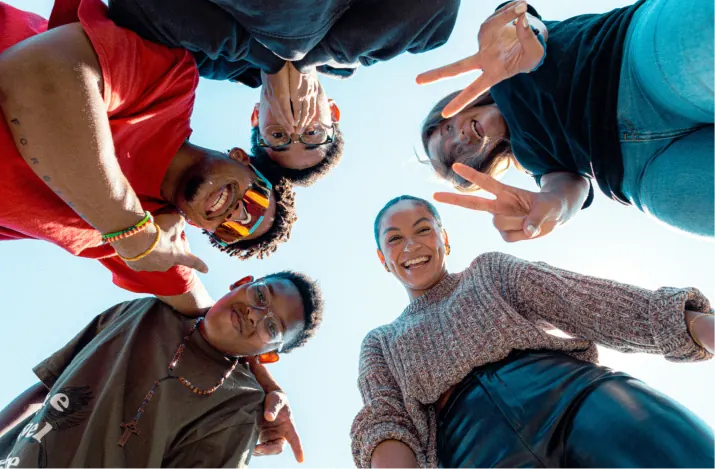
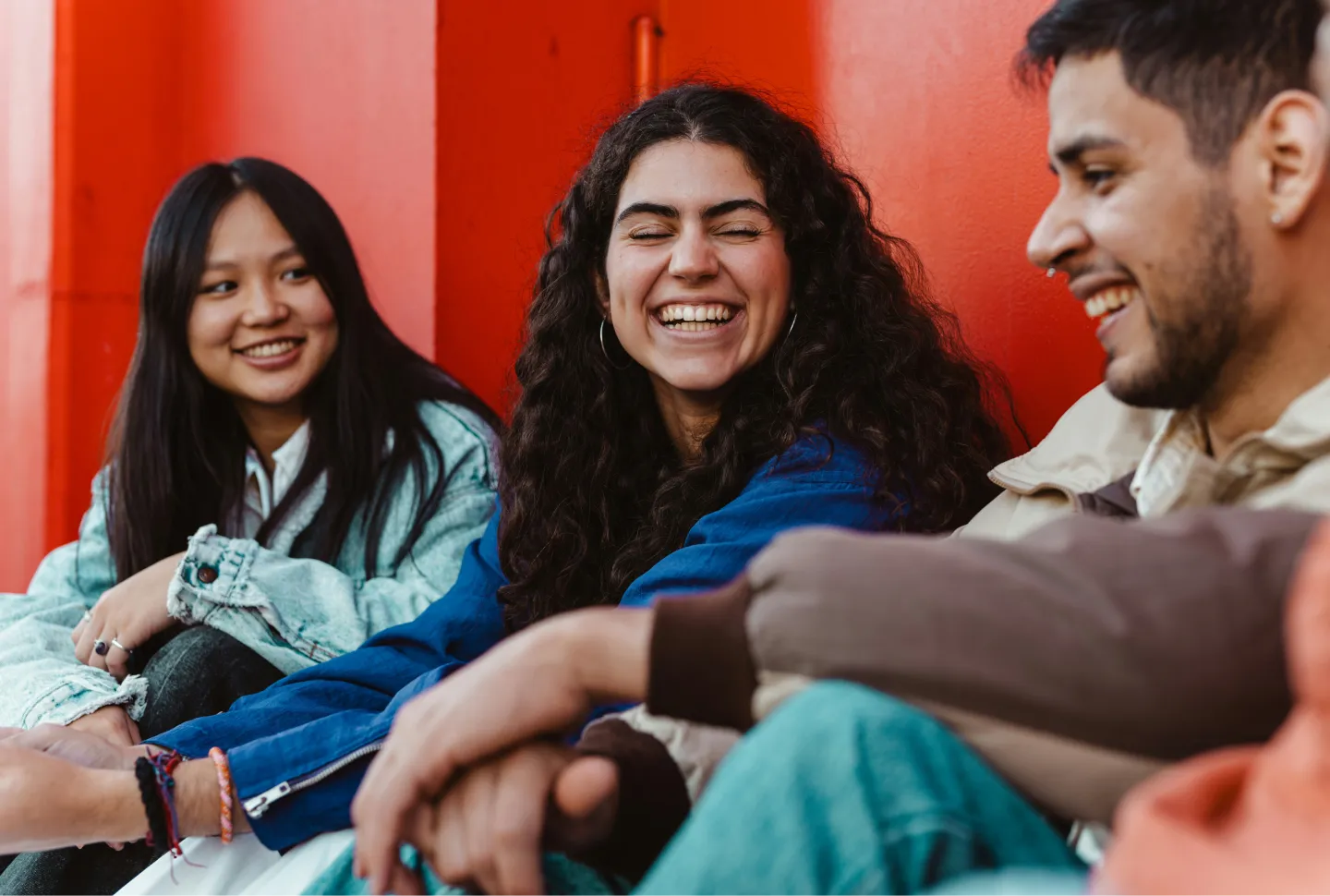
Three young climate leaders laughing together

About Us

Who we are?

The Climate Leadership Initiative (CLI) is the global platform for nurturing climate workers and changemakers from the Global Majority to co-create decisions, organisations and activations that shape our shared futures.

CLI prepares climate leaders and changemakers from the Global Majority to be at the center of climate action and co-create equitable climate outcomes. Our methodology is rooted in care-based approaches and long-term accompaniment to allow leaders to access intentional, explorative and safe spaces as they grow their technical competence, networks and influence along with developing key leadership skills and peer-to-peer ecosystems.

Colleagues smiling and raising their hands together in a high five

Our mission

Supporting young climate leaders from the Global South to become effective negotiators within global climate decision-making spaces.

Through mentorship, technical training and long-term leadership development, CLI equips emerging leaders with the confidence, knowledge and experience to participate meaningfully in international climate negotiations and shape fair, ambitious climate outcomes.

Our vision

We envision a world where climate decisions, organising and activism across national, regional and global levels are led by leaders from the communities most affected by climate change resulting in ‘Climate ambition commensurate with the severity of the polycrises’ and ‘Climate solutions that work not just on paper but on the ground’.

What we do

Decisions

Climate talks need global voices

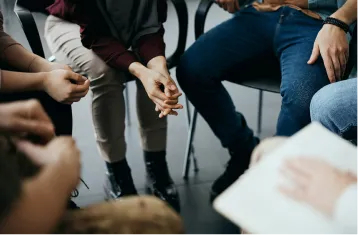
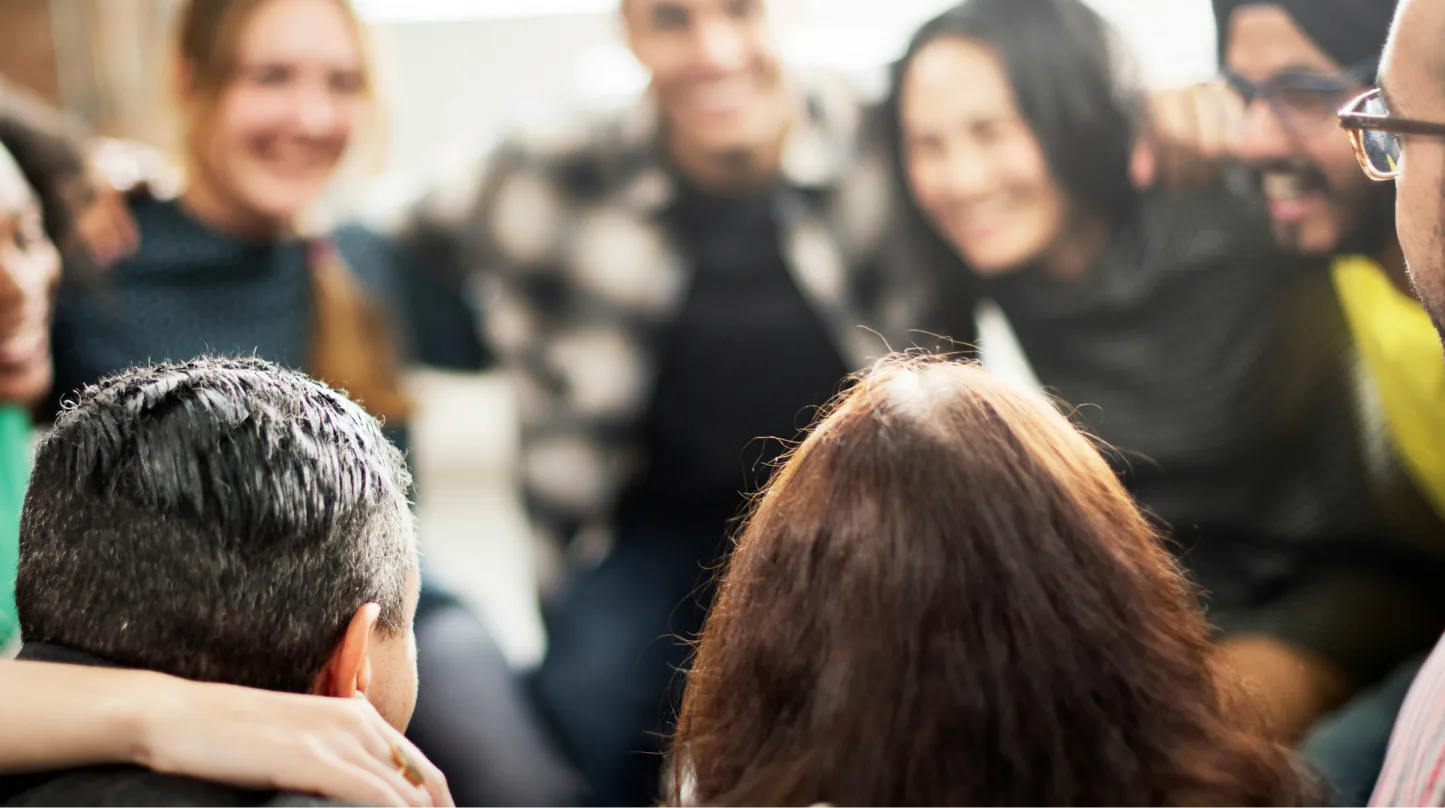
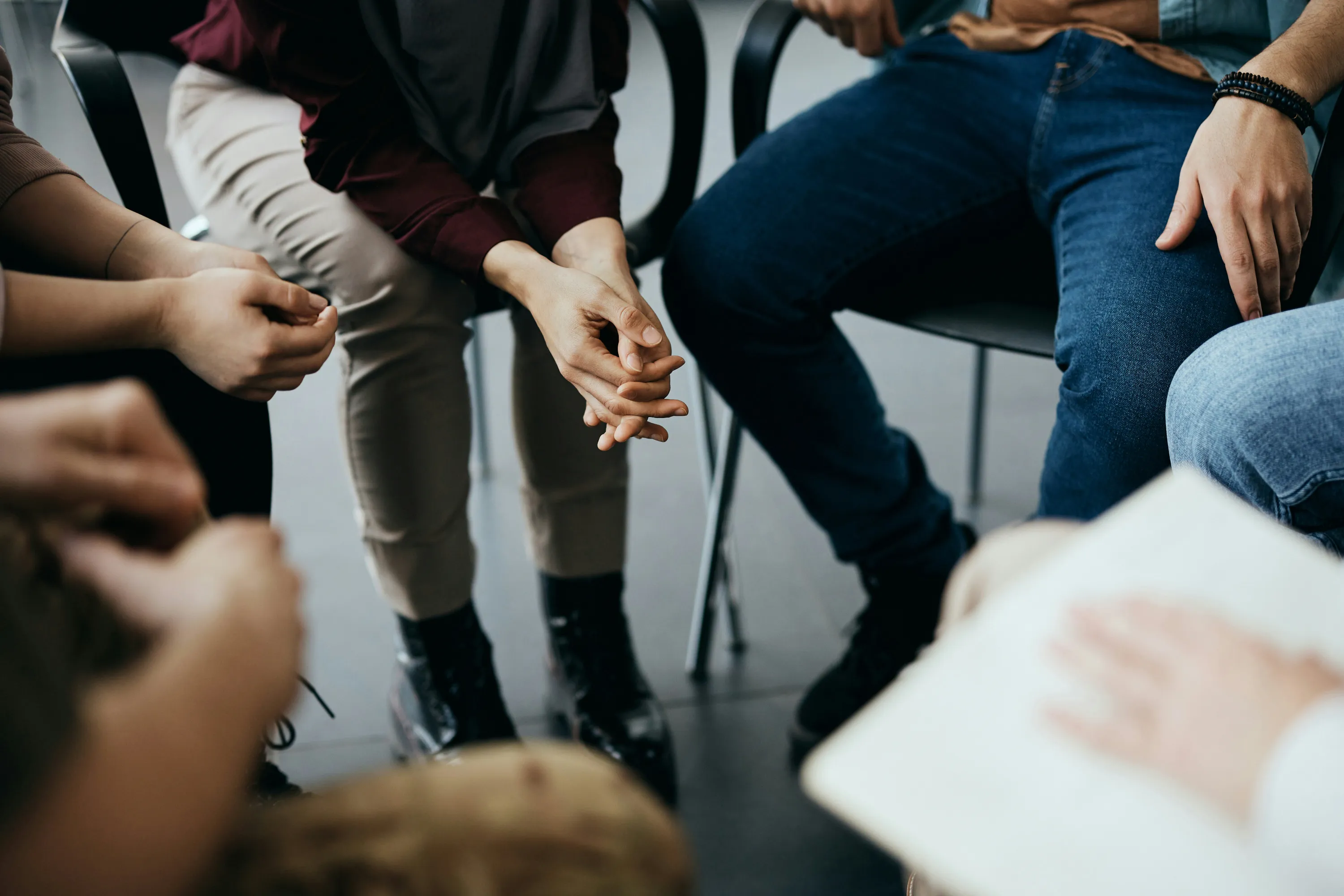
People seated in a circle with their hands clasped, seen from the shoulders down
New Generation

Organisations

From initiatives to institutions

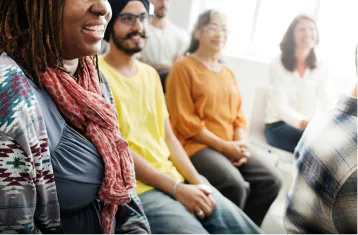
A group of smiling people seated side by side in a bright room
The Visionaries

Activations

The Boldest leadership comes from the corners

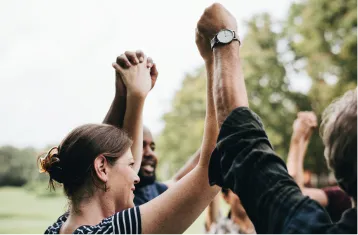
People raising joined hands together outdoors
The Troublemakers
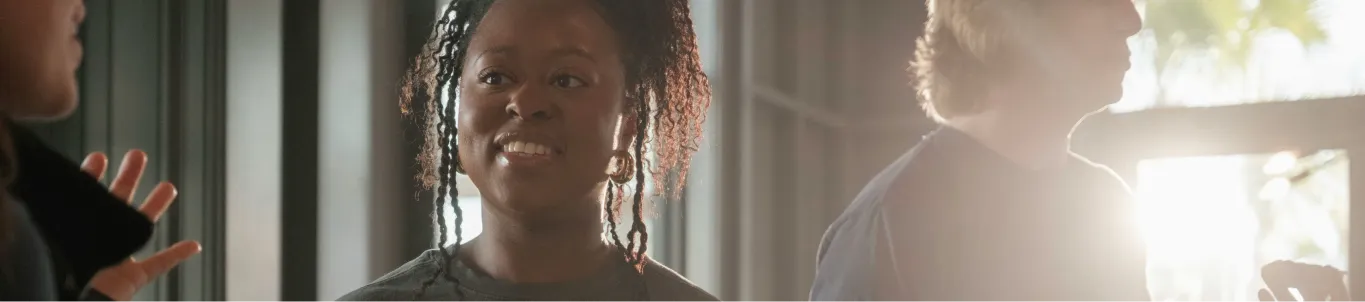
A smiling woman talking with colleagues in a sunlit room

The heart of CLI

We believe climate leadership cannot be taught through training alone. It develops through relationships, lived experience, practice, reflection, care and sustained accompaniment. We work with Global Majority leaders as co-creators, recognising the expertise they already hold and creating the conditions for it to grow and translate into influence.

[Click or hover to flip the cards]

Leadership as leadership(s)

Young people seated in a circle in a bright room, listening as a young woman speaks

We see leadership as plural, contextual and collective. There is no single model of a climate leader. We support leaders to develop their own ways of leading, shaped by their contexts, experiences, strengths and ambitions.

Lived realities as knowledges

Participants raising their hands as a facilitator leads a session in a library

We treat lived experience and community knowledge as forms of expertise. We challenge narrow ideas of who is considered an expert and whose knowledges counts, recognising that those closest to climate impacts hold critical knowledges about the challenges and solutions.

A Global Majority lens

Three young people laughing together outdoors under trees, arms around each other

We centre Global Majority perspectives, priorities and solutions. We move beyond representation to question whose voices shape climate agendas and create opportunities for Global Majority leaders to bring their own analysis to national, regional and global conversations.

Long-term accompaniment

A group of colleagues smiling and high-fiving by a large window

Our relationship with leaders extends beyond programme cycles. We accompany them as they navigate real-world challenges, opportunities and transitions, supporting learning to be applied, reflected on and adapted over time.

Care and wellbeing

Two women sharing a warm hug in a bright office

Climate leadership can involve navigating burnout, isolation, dismissal and difficult political realities. We create intentional and safe spaces where leaders can be honest about these experiences, build confidence, experiment and grow.

Practical and soft skills

A smiling woman talking with a peer during a group workshop

Through coaching clinics, peer learning and hands-on support, we build skills leaders can apply in practice — from policy writing and negotiation to storytelling, media relations, confidence building and strategic communication.

Mentorship and access

A smiling man in glasses in a one-to-one conversation with another person

We connect emerging leaders with experienced practitioners and senior experts through mentorship and other opportunities. These relationships provide technical insight, open doors and help leaders navigate complex political and institutional spaces.

Building networks and communities

A circle of young friends huddled together, smiling down at the camera

We connect leaders across countries, sectors and generations to build relationships that enable knowledge-sharing, collaboration, opportunity and mutual support. These communities help leaders stay connected and grounded as they navigate climate leadership.

Individual leadership to collective influence

People working together around tables in a busy shared workspace

Ultimately, our work is not about developing leaders in isolation. It is about enabling Global Majority leaders to use their collective capacity and influence to shape decisions, strengthen organisations, build movements and transform the systems that shape our shared futures.

Young people laughing together against a blue wall

Our story

Who we are?

We began by asking who gets into the room. We are evolving by asking who has the power, capacity and support to shape our shared futures.

Rapidly rising sea levels, extreme weather events and environmental degradation disproportionately impact people across the Global Majority — those least responsible for the climate crisis and the wider polycrises surrounding it. Yet, when it comes to shaping responses and developing solutions, the people living through the worst of these impacts continue to struggle to access decision-making spaces, resources and the narratives that shape climate action.

Established in 2017, the Climate Leadership Initiative (CLI) set out to change who gets access to the rooms where global decisions affecting climate outcomes are made.

Our flagship New Generation Programme was born two years later from a simple but urgent question: What would change if young people from the Global South were not simply present at climate talks, but were trusted to shape them?

The programme set out to ensure that young leaders from the Global South could move beyond symbolic participation in climate governance and become trusted negotiators, advisors and decision-makers influencing international climate policy and bridging the gap between grassroots realities and negotiation priorities. We have since enabled [X] young climate negotiators from [Y] countries to access and contribute to international climate negotiations.

But as we worked alongside these young leaders, our understanding of the challenge began to change.

The question was no longer simply who gets into the room. It became: who has the power and capacity to shape the decisions, organisations and activations that shape our shared futures?

This marked a new chapter for us.

We began to expand our understanding of climate leadership beyond climate diplomacy. We recognised that meaningful climate action requires leadership across the ecosystem — leaders who can influence decisions, build institutions, strengthen movements, create campaigns and develop new forms of action rooted in their own contexts.

Today, we are evolving as a global platform for nurturing climate workers and changemakers from the Global Majority to co-create the decisions, organisations and activations that shape our shared futures.

Our work has grown across three interconnected areas:

DECISIONS

Climate talks need global voices.

Through the New Generation, we continue to support young climate leaders from the Global Majority to participate in and influence national, regional and global climate decision-making.

ORGANISATIONS

From initiatives to institutions.

Through The Visionaries, we intend to support leaders navigating the complex realities of building and leading climate organisations recognising that lasting change needs sustainable, scalable and locally rooted institutions.

ACTIVATIONS

The boldest leadership comes from the corners.

Through The Troublemakers, we support changemakers developing bold ideas, campaigns and forms of climate action emerging from the Global Majority.

Together, these reflect a fundamental shift in how we understand our role. We are no longer only about getting Global Majority leaders into existing spaces of power. It is about nurturing the leadership needed to shape those spaces and to create new ones.

Smiling people gathered in a circle, seen over the shoulders of two listeners in the foreground

The people behind CLI

Our team brings together different experiences, perspectives and a shared belief in the power of Global South leadership.

Many know the journey our fellows are taking because they have lived it themselves. They understand the challenges, the opportunities and the importance of having the right people beside you. Together, they support a growing community of leaders finding their place in global climate diplomacy.

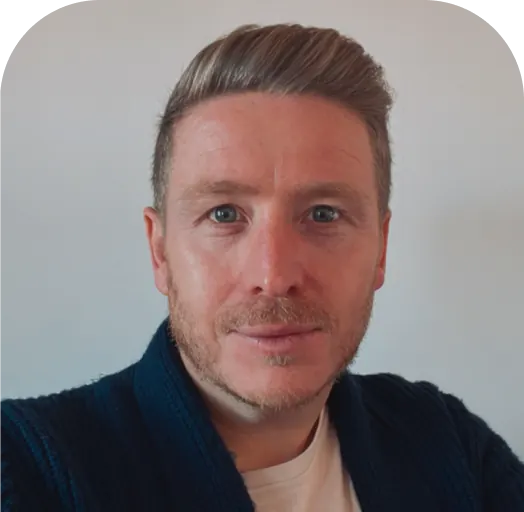
Erin Roberts

(She/Her)

Founder and Chief Visionary

Erin is a climate policy researcher focusing on Loss and Damage, adaptation and the role of leadership in shaping climate action. She has worked across the globe in many different contexts, always with a focus on supporting the most vulnerable on the frontlines of climate change. Erin is passionate about empowering young climate leaders from the Global South in everything she does. In her role with CLI she supports the core team delivering the New Generation program.

Read Bio

Honorine Isingizwe

(She/Her)

Program Coordinator

Honorine is a passionate environmentalist and driven climate leader with over 5 years of proven leadership experience in nonprofit organizations focused on climate change with a strong focus on youth empowerment. She holds a bachelor’s degree in land survey engineering and is currently pursuing a master’s degree in GIS for environment and sustainable development. She is serving as coordinator of the New Generation Program, where she oversees the overall implementation of the New Generation program plan. She has undergone climate leadership, diplomacy, and negotiation training by the Africa Group of Negotiators Expert Support (AGNES) and continuous empowerment and mentorship on the UNFCCC negotiations process under the New Generation program as a member of the first cohort. Since 2021, Honorine has been actively engaged in climate negotiations focusing on agriculture and the Global Goal on Adaptation (GGA).

Read Bio

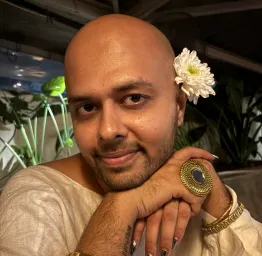
Esthappen S

(They/Them)

Communications Lead

Estha is a climate communications expert with over 10 years of experience as a communications and narrative strategist working across feminist and climate justice movements to embolden Global Majority voices and perspectives in global policy and discourse. Their work uses participatory approaches to foster co-creation and build consensus towards leveraging collective power. Estha has previously worked with the Global Campaign to Demand Climate Justice (DCJ), Just Associates (JASS), Sexual Rights Initiative (SRI), Neelan Thiruchelvan Trust (NTT) and Dalit Human Rights Defenders Network (DHRD), CHEVS collective among other Global Majority led international and regional networks.

Read Bio

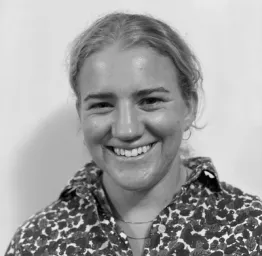
Nora Kroeger

(She/Her)

MEL Lead

Read Bio

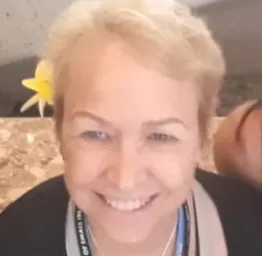
Linda Siegele

(She/Her)

Mentor

Linda Siegele is an environmental lawyer based in the UK. She has been involved in the United Nations climate change negotiating process since 2005 with a special focus on the issues of adaptation and loss and damage associated with the adverse effects of climate change. Linda is particularly familiar with the climate change concerns of small island developing states and least developed countries, having directly supported country delegations through the provision of relevant technical and strategic policy advice.

‍

Read Bio

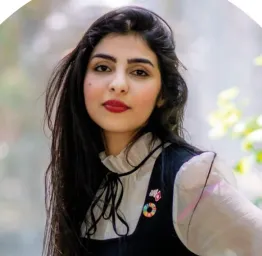
Malek Romdhane

(She/Her)

Coach

Malek is a young climate negotiator and Senior Sustainability Consultant from Tunisia. She holds a Master's in Sustainability Management and Innovation from the University of Westminster awarded via a full Chevening scholarship, and is a graduate of the UN Office in Geneva's 60th Graduate Study Program, where she refined her expertise in Sustainable Development Goals (SDGs). In her L&DC role, Malek focuses on fundraising and budget support to ensure the financial sustainability needed to sustain and scale up the collaboration's critical work. Her advocacy includes serving as the regional youth focal point for Northern Africa and Western Asia at the UN International Federation of Youth on Water and Climate. Malek is dedicated to disseminating accessible climate policy research and is driven by her commitment to a future where human rights and climate justice are fully realized.

Read Bio

Hyacinthe Niyitegeka

(She/Her)

Coach

Hyacinthe Niyitegeka is a water scientist and climate negotiator with experience in the fields of Loss and Damage and climate policy in general. Currently, she serves as the office manager for the CLI, where she plays a crucial role in ensuring the smooth operation of the office and core team as well as fostering a positive work environment. In addition to her managerial duties, Hyacinthe contributes to the development of strategies and guidelines that direct the CLI’s initiatives. Additionally, Hyacinthe serves as coordinator of the Loss and Damage Collaboration (L&DC).

Read Bio

Brenda Mwale

(She/Her)

Coach

Brenda Mwale is a climate change advocate with extensive knowledge and experience in international climate action, focusing on youth and gender mainstreaming. She serves as a Loss and Damage negotiator for Malawi and is a part of the Loss and Damage Collaboration as the Finance Working Group Coordinator. Currently, she is the Climate Diplomacy Advisor supporting the LDC Chair. Brenda also provides mentorship to the fellows of the third cohort of the New Generation Program.

Read Bio
Portrait of Heidi White

Heidi White

(She/Her)

Coach

Heidi is an Australian lawyer and independent consultant with expertise in UN climate change negotiations, particularly on loss and damage. A former legal associate at the Federal Court of Australia, since 2018 she has been providing strategic and technical advice aimed at achieving ambitious outcomes for developing countries in the negotiations. Heidi supports a range of stakeholders, including the New Generation, which she views as a critical driver of effective change.

Read Bio
Portrait of Prakriti Koirala

Prakriti Koirala

(She/Her)

Mentor

Prakriti works with the Regional Cooperation and Collaboration team at ICIMOD. She has contributed to global climate processes under UNFCCC as Youth Coordinator for the LDC group, amplifying youth voices from vulnerable countries. Her work focuses on climate justice, gender equity, and resilient development, with an emphasis on mountain communities. She has contributed to Nepal’s NDC 3.0 and supported a UN Women-funded project on women’s climate and disaster resilience, including advancing GEDSI integration in local climate and DRR planning. She holds a Master’s degree in Environmental Science from Tribhuvan University, Nepal.

Read Bio
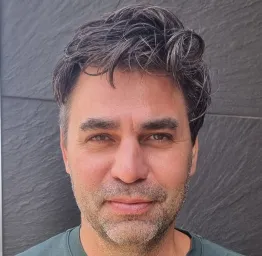
Portrait of Toby Dodwell

Toby Dodwell

(He/Him)

Design Lead

Toby is a brand designer and creative consultant with over 25 years of experience working with independent organisations and globally recognised brands. Through his design practice, bytoby, he focuses on working with purpose-driven organisations committed to making a positive difference for people and the planet.

His approach brings together strategic thinking, creativity and a belief that good design should do more than simply look good. He works closely with teams to uncover what makes them distinctive and translate their purpose into clear, meaningful and engaging brand experiences.

As Design Lead at CLI, Toby helps shape how the organisation communicates visually, building a distinctive and consistent identity that reflects the people, communities and climate leaders at the heart of its work.

Read Bio

Camilla More

(She/Her)

Coach

Camilla is an Australian lawyer who has been following the UN climate negotiations closely since 2017. She works in IIED’s Global Climate Law, Policy and Governance Team to support the Least Developed Countries Group achieve equitable and ambitious outcomes in UN climate negotiations, particularly those related to loss and damage. Camilla passionately hates jargon, but sometimes can’t help it. Camilla provides guidance and mentorship to the New Generation support team.

Read Bio

Dr Marek Szilvasi

Advisor

Dr Marek Szilvasi is a climate, environment, and public health equity expert with a +15-year success record spanning international civil society, philanthropy, inter-governmental and educational settings. Currently, as a technical and strategic advisor, Marek supports private philanthropies and international organizations in enhancing impact, aligning climate and health strategies, and advancing equity and transparency in climate programming and policies.

Read Bio

Rajeshree Sisodia

(She/Her)

Senior Climate Communications Consultant and Qualified Reflective Writing for Wellbeing Facilitator

Rajeshree is a Senior Climate Communications Specialist and Reflective Writing for Wellbeing Facilitator who is passionate about helping people make sense of complexity and creating spaces for them to pause, reflect and reconnect with what matters.

With over a decade of experience working with researchers and technical experts across the climate, development and humanitarian fields, she helps translate complex evidence into clear, compelling and actionable information that governments, businesses, the media, civil society and the public can understand, engage with and use.

Over the years, Rajeshree has come to recognise that sustainable change requires more than robust evidence and effective communication. It also calls for attention to ourselves, our relationships and the ways we work together.

This understanding led her to become a Reflective Writing for Wellbeing Facilitator. She designs and facilitates reflective writing workshops for individuals, teams and organisations, using arts-based approaches including poetry, images, objects and sound to invite creativity, writing, reflection and shared exploration. Through these practices, she helps people explore their relationships with themselves, one another, their work and the wider world.

Her workshops create space to nurture self-awareness, wellbeing and connection, while strengthening team relationships, group dynamics and the collective capacity to navigate change.

At the heart of Rajeshree’s work is a belief that meaningful, lasting change emerges when evidence and empathy, creativity and curiosity come together connecting the needs of the world with the needs of the people working to change it.

Read Bio
Colleagues smiling and raising their hands together in a high five

Work with us

There are many ways to work with us! Through partnerships, funding, knowledge exchange, mentorship, programme collaboration and job opportunities.

Interested in working with us?

Latest Opportunities

Young people smiling at the camera, photographed from below against a clear sky

Position Role/Update Headline

People seated in a circle with their hands clasped, seen from the shoulders down

Position Role/Update Headline

People seated in a circle with their hands clasped, seen from the shoulders down

Position Role/Update Headline

Our Partners

Our work is made possible through relationships across the climate ecosystem.

Our partners include funders, knowledge partners, institutions, bloc chairs and organisations that share a commitment to strengthening Global Majority leadership and influence.

Our Funders

Supporting the resources and infrastructure needed for long-term leadership development.
Knowledge partners

Bringing expertise, research and knowledge into our programmes and community.

Bloc chairs and institutional partners

Providing guidance and institutional support to our teams and fellows.

Community partners

Connecting CLI with movements, organisations and leaders across the Global Majority.